
—
TPE Material Deep Technical Guide
1. What Is TPE?
TPE (Thermoplastic Elastomer) is a class of advanced polymer materials that combine the elasticity of rubber with the processing advantages of plastic.
It is soft, flexible, durable, and can be processed through traditional thermoplastic methods such as injection molding and extrusion.
Because of its excellent balance of performance and manufacturability, TPE is widely used in automotive, medical, household appliances, toys, and sports equipment industries.
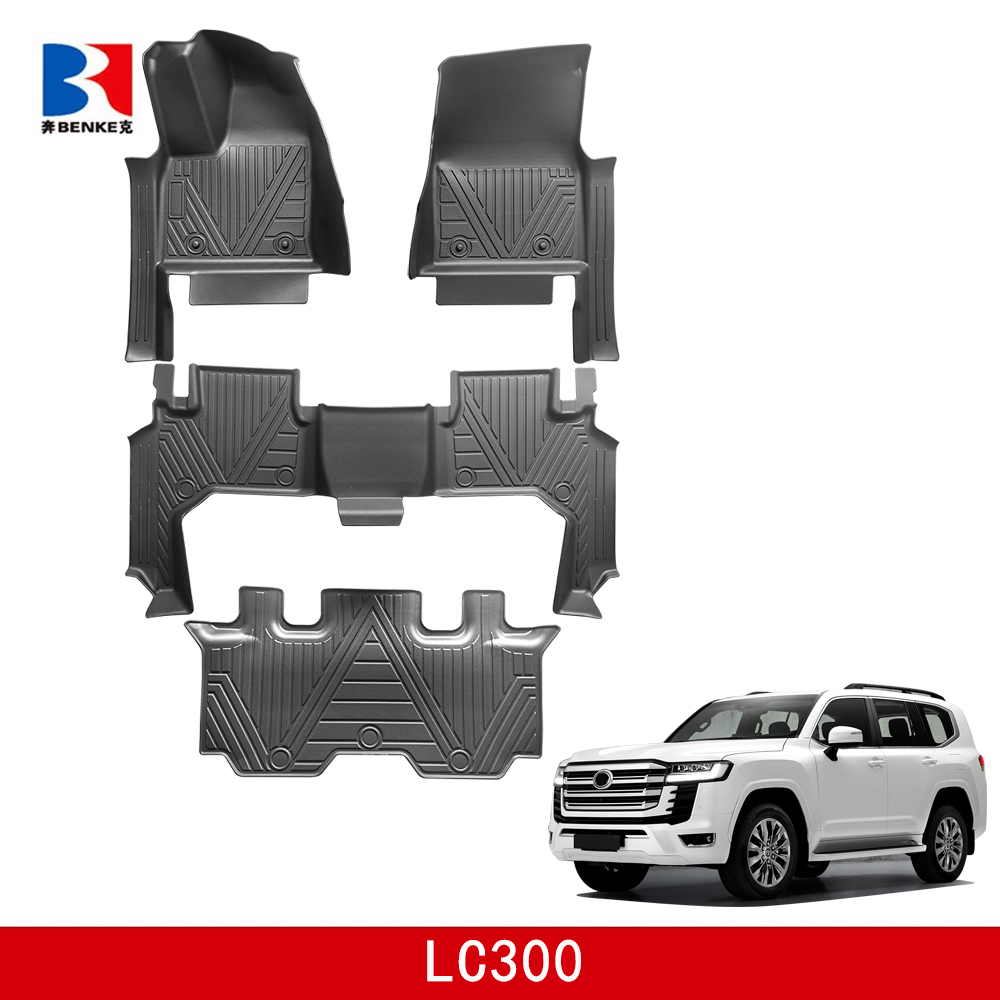
2. Key Properties of TPE
1) Excellent Elasticity
TPE offers rubber-like elasticity with a soft and comfortable touch.
It provides strong rebound and impact absorption, making it ideal for applications requiring flexibility, such as:
Automotive interior parts
Sealing components
Sports equipment
Protective gear
Baby products
Its superior elasticity significantly improves comfort and user experience.
2) Easy and Efficient Processing
Unlike traditional rubber, TPE does not require vulcanization.
It can be processed just like plastic, which offers several benefits:
Short production cycles
Lower manufacturing cost
High molding precision
Multiple processing methods available:
Injection molding
Extrusion
Blow molding
Casting
Calendaring
This makes TPE highly suitable for mass production and complex structural components.
3) Excellent Temperature Resistance
TPE maintains stable performance over a wide temperature range, typically –60°C to 135°C depending on the grade.
It does not harden in winter or deform under heat, making it ideal for:
Automotive interiors
Cold climate regions
Outdoor equipment
High-temperature environments
Some high-performance TPE grades provide even greater thermal stability.
4) Eco-Friendly and Safe
TPE is a green, non-toxic material that meets global environmental standards:
ROHS
REACH
FDA (for medical grades)
It contains no heavy metals and no phthalate plasticizers.
Additionally, TPE is recyclable, helping reduce environmental impact and material waste.
5) Strong Wear and Tear Resistance
TPE demonstrates excellent mechanical strength:
High abrasion resistance
Good tear resistance
Long service life
Stable performance in harsh environments
This makes it perfect for components that undergo repeated friction, such as car floor mats or industrial anti-slip pads.
3. Common Types of TPE
| Type | Description | Typical Applications |
|---|---|---|
| TPS (Styrenic TPE, e.g., SEBS/SBS) | Soft, flexible, excellent rebound | Car mats, household goods, toys |
| TPU (Thermoplastic Polyurethane) | Superior wear resistance, strong and transparent | Phone cases, wheels, sports gear |
| TPV (Thermoplastic Vulcanizate) | High heat and oil resistance | Automotive seals, engine parts |
| TPEE (Thermoplastic Polyester Elastomer) | Strong, chemical-resistant | Gears, industrial components |
| TPO (Thermoplastic Olefin) | Weather-resistant, cost-effective | Bumpers, automotive exterior parts |
TPS (SEBS-based TPE) is the most widely used material for modern automotive TPE floor mats.
4. TPE Processing Methods
1) Injection Molding
Most common method for complex shapes.
Used for:
Car floor mats
Handles
Electronic housings
2) Extrusion
Suitable for continuous profiles:
Sealing strips
Tubes
Protective sleeves
3) Blow Molding
Used for producing hollow products like bottles and containers.
4) Casting / Calendaring
Used for films, sheets, and coatings.
5. Application Fields of TPE
1) Automotive Industry
TPE is one of the most popular materials in the automotive sector due to its weather resistance, durability, and safety.
Common applications include:
TPE car floor mats
Sealing strips
Door interior parts
Wire harness covers
Bumper trims
It maintains flexibility in extreme temperatures and has no odor—ideal for vehicle interiors.
2) Medical Equipment
Medical-grade TPE offers high biocompatibility, making it suitable for:
Medical tubing
Sealing components
Syringe parts
Earplugs
Disposable medical products
It is a safer alternative to PVC in many healthcare devices.
3) Household Appliances
Used for parts requiring durability and anti-slip performance:
Anti-slip pads
Cable protection sleeves
Waterproof seals
Remote control grips
Soft-touch coatings
TPE enhances product longevity and comfort.
4) Sports and Fitness Products
Thanks to its flexibility and cushioning, TPE is ideal for:
Yoga mats
Resistance bands
Protective gear
Fitness handles
It provides better comfort than PVC and lasts longer.
5) Toy Industry
TPE is non-toxic, soft, and flexible — perfect for baby and children's products:
Pacifiers
Chew toys
Soft dolls
Rubber-like toys
Its recyclability aligns with modern sustainability expectations.
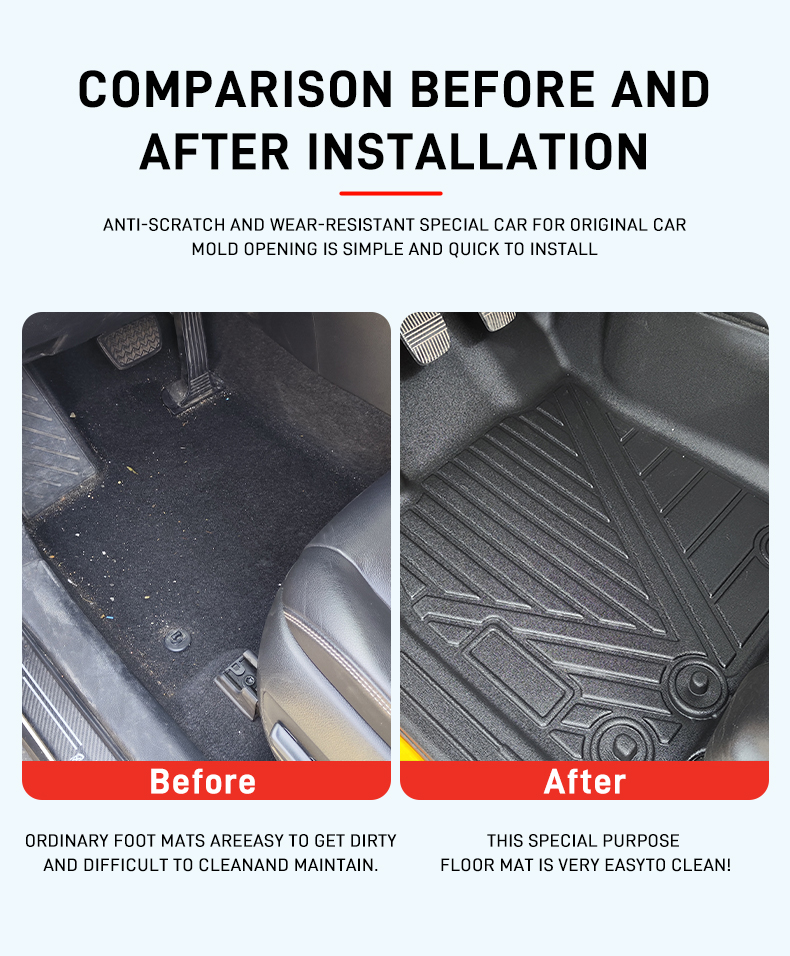
6. Advantages and Disadvantages of TPE
Advantages
Strong elasticity and rebound
Fast and efficient processing
Eco-friendly and recyclable
Wide hardness range and color customization
Excellent wear and tear resistance
Good weather resistance (UV, cold, heat)
Soft touch and comfortable feel
Disadvantages
Lower heat resistance than some engineering plastics
(most grades withstand ~80–120°C; high-end grades higher)May harden under extremely low temperatures
Lower tensile strength compared to rigid plastics or metals
Limited oil resistance (depends on TPE type)
Higher material cost than PVC or basic rubber
7. Why TPE Is the Best Choice for Modern Car Floor Mats
TPE has become the premium choice for automotive floor mats because it offers:
✔ Odorless & non-toxic performance
✔ Excellent all-weather flexibility
✔ Superior wear resistance & long lifetime
✔ Easy cleaning & maintenance
✔ OEM-level quality and appearance
✔ Recyclability and environmental safety
These advantages make TPE superior to PVC and traditional rubber, especially for high-end vehicles and safety-focused customers.
Benke 5D car mat